
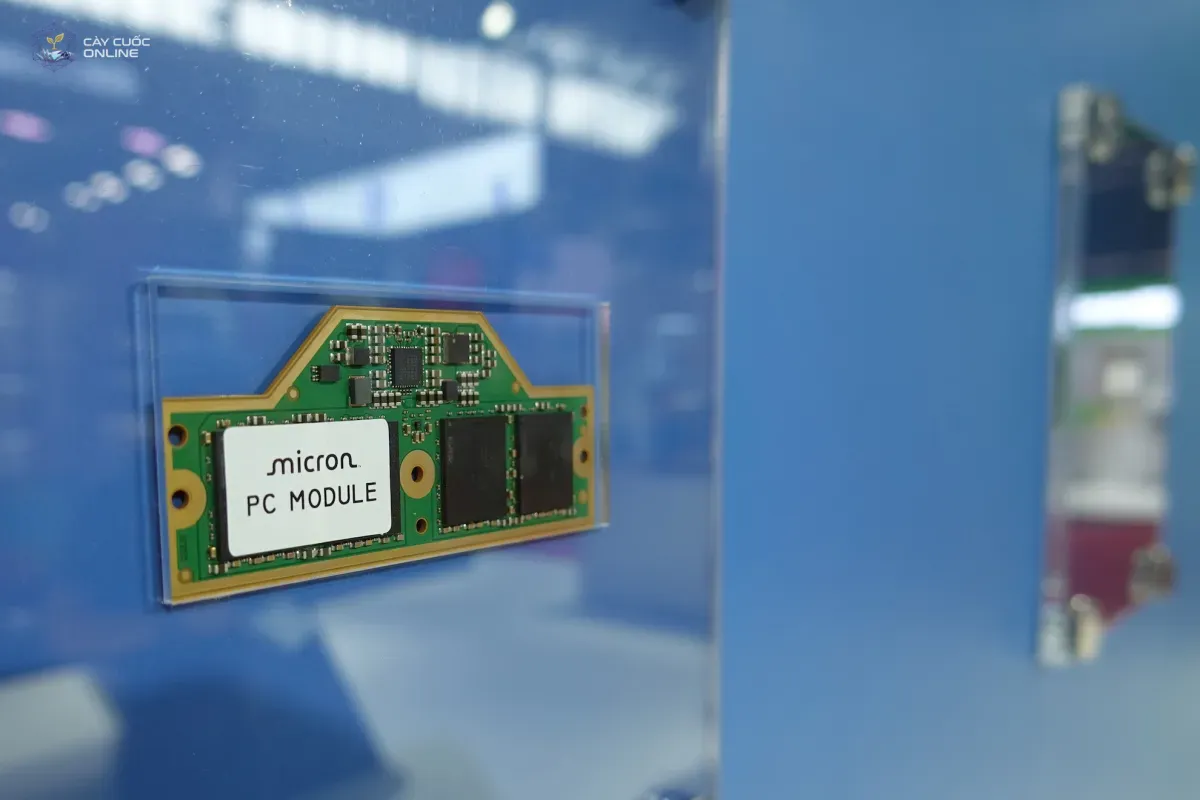
Micron, nhà sản xuất chip nhớ có trụ sở tại Boise, Idaho, đã chinh phục Phố Wall. Mối quan hệ này sẽ kéo dài bao lâu phụ thuộc vào thời gian thiếu hụt chip nhớ do AI gây ra.
Micron’s Rise in the Memory Chip Market
Market Performance and Wall Street’s Interest
Micron, a leading memory chip manufacturer, has recently experienced a surge in market value, capturing the attention of Wall Street. The company’s stock price has skyrocketed, with a remarkable 236% increase in just one month, reaching $1,132 per share on Friday. This rapid growth has temporarily elevated Micron’s market capitalization to nearly $1.27 trillion, rivaling tech giants like Meta and Tesla.
The AI-Driven Supply Crunch
The primary factor behind Micron’s success is the current supply crunch for memory chips, fueled by the demand from AI data centers. AI servers require significantly more memory than traditional devices, leading to a shortage of system memory chips, including DRAM and NAND. Micron, being a key player in the production of High-Bandwidth Memory (HBM), is well-positioned to capitalize on this trend.
Benefiting from AI Data Center Buildout
The AI data center buildout boom has created a high demand for Micron’s products. AI system manufacturers like Nvidia and hyperscalers such as Microsoft, Amazon AWS, Google, Meta, and Oracle are major consumers of memory chips. This has led to a ripple effect, causing other companies, including PC makers and device manufacturers, to stockpile memory chips, further exacerbating the supply shortage.
RAMageddon and its Impact
The memory chip shortage has been dubbed “RAMageddon” and is expected to continue into 2027. This lack of supply is already influencing the consumer electronics market, driving up prices for popular products like Apple devices and Xbox consoles. As the tech industry scrambles for more memory, Micron’s recent third-quarter earnings reflect this high demand, with revenue and profits experiencing significant growth.
Micron’s Positive Outlook and Wall Street’s Response
Micron’s impressive performance has not gone unnoticed by Wall Street. The company’s positive outlook, with forecasted fourth-quarter revenue between $49 billion and $51 billion, has further fueled investor enthusiasm. Wall Street’s eagerness to identify AI-related companies with high growth potential has made Micron an attractive investment, evidenced by its soaring market value.
Historical Challenges for Memory Chip Makers
Despite Micron’s current success, the memory chip industry has historically faced challenges. Building out manufacturing capacity for memory chips has often led to a boom-and-bust cycle, with oversupply and price crashes following periods of high demand. Micron and its competitors, including Samsung, have experienced this cycle, which has traditionally made it difficult to sustain long-term growth and market stability.
Micron’s Strategy for Long-Term Success
Micron asserts that it has taken measures to secure its position for the long term. By addressing the cyclical nature of the industry, Micron aims to withstand potential downturns caused by sudden demand drops or supply overcapacity. Wall Street’s confidence in Micron’s ability to navigate these challenges has contributed to its recent market performance.